
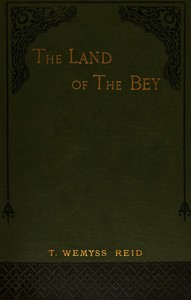
The land of the Bey : Being impressions of Tunis under the French by Reid
Published in 1882, this book is British journalist T. Wemyss Reid's firsthand account of Tunisia in the immediate aftermath of the French military invasion and establishment of a 'protectorate.' It's not a dry history lesson; it's a series of vivid snapshots from a moment of profound change.
The Story
There isn't a traditional plot. Instead, Reid acts as our guide. He arrives in Tunis and describes a city and a society in flux. He meets with the Tunisian Bey, Muhammad III as-Sadiq, portraying a ruler whose power has been dramatically curtailed overnight. He observes the new French administrators, from the Resident-General down to the soldiers, as they set up shop. The 'story' is in the contrasts: the ornate ceremonies of the Bey's court versus the brisk efficiency of French offices; the labyrinthine Arab quarters versus the new European-style avenues being planned. Reid takes us to the souks, comments on the status of women, and even details the complex (and often corrupt) international financial control that was a prelude to the takeover. It's a panoramic view of a colonial project just getting started.
Why You Should Read It
What makes this book special is Reid's perspective. He's a British observer looking at French colonialism, which gives him a certain detachment. He's not a cheerleader for the French, and he's not overly romantic about the old Tunisian order. He points out absurdities and injustices on both sides. His writing is clear, often witty, and packed with telling details—like the description of French officers awkwardly navigating local etiquette, or the visible tension in the Bey's palace. You get a real sense of the human texture of history, the daily confusion and negotiation that follows a major political earthquake. It reads like a long, insightful dispatch from a very good foreign correspondent.
Final Verdict
This is a gem for anyone curious about 19th-century travel writing, colonial history, or North Africa. It's perfect for readers who enjoy primary sources that don't feel like homework. You won't get a neat, modern analysis of colonialism's impacts, but you will get an incredibly raw and immediate look at its early days, full of color, contradiction, and a journalist's sharp observations. If you've ever wondered what it actually looked and felt like on the ground when an empire expanded, this is your book.
This digital edition is based on a public domain text. You can copy, modify, and distribute it freely.
George Harris
1 year agoVery satisfied with the depth of this material.
James Smith
1 year agoAmazing book.
James Sanchez
1 year agoCompatible with my e-reader, thanks.
Michelle Brown
2 years agoAfter hearing about this author multiple times, the emotional weight of the story is balanced perfectly. Exceeded all my expectations.





Christopher Wilson
1 month agoBefore I started my latest project, I read this and the clarity of the writing makes even the most dense sections readable. This has become my go-to guide for this specific topic.