
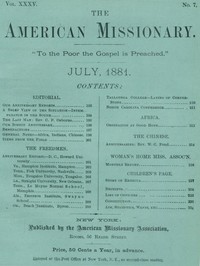
The American Missionary — Volume 35, No. 7, July, 1881 by Various
This isn't a book with a single plot. The American Missionary from July 1881 is a monthly journal, a snapshot of a movement. It's packed with field reports from teachers in the South, financial appeals, sermons, and updates from various mission schools. The 'story' it tells is the ongoing, gritty effort of the American Missionary Association to provide education and build communities for African Americans after emancipation.
The Story
You open it and are immediately in the thick of it. A teacher in Tennessee writes about the hunger for learning in her classroom, listing exactly how many spelling books and slates she needs. A report from Alabama details the struggle to fund a normal school to train Black teachers. There are lists of donations—$5 from a church, $100 from a benefactor—showing the wide network of support. Between these practical matters, you find essays defending the cause against critics and heartfelt narratives about students' progress. The through-line is the relentless, day-by-day work of turning the promise of freedom into a lived reality through education.
Why You Should Read It
Reading this feels profoundly different from reading a modern history textbook. There's no hindsight here, no neat summary. You're getting the news from the ground, as it happened. The passion is palpable, but so is the scale of the challenge. You see the idealism of the missionaries bump up against poverty, resistance, and logistical nightmares. What struck me most was the voices—the determined tone of the organizers and the implied voices of the students and families they served. It makes history feel immediate and human, not like a series of past events.
Final Verdict
This is for the curious reader who wants to go beyond the broad strokes of history. It's perfect for anyone interested in Reconstruction, the history of education, or social justice movements. If you love primary sources, diaries, or letters that let you eavesdrop on the past, you'll find this fascinating. It's not a light read, but it's a powerful and authentic one. You won't find a tidy narrative, but you will find the real, complicated, and inspiring work of building a better world, one schoolhouse at a time.
This historical work is free of copyright protections. It is available for public use and education.

Jackson Williams
1 year agoRead this on my tablet, looks great.