
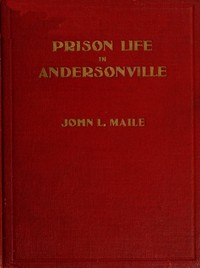
"Prison Life in Andersonville" by John Levi Maile
Most of us know the Civil War from battle maps and famous generals. Prison Life in Andersonville throws you into a part of the war you rarely hear about: the inside of a prison camp. The author, John Levi Maile, was a Union soldier captured in 1864 and sent to Camp Sumter, better known as Andersonville. For over a year, he survived there, and this book is his diary of that nightmare.
The Story
There isn't a traditional plot with a clear beginning, middle, and end. Instead, Maile walks us through his daily reality. He describes arriving at the camp, a vast open space crammed with thousands of men, with only a small creek for water. That creek was also the sewer. He details the brutal lack of food—a tiny ration of cornmeal, if they were lucky. The constant threats weren't from guards with guns, but from scurvy, dysentery, and gangrene. He writes about the 'dead line,' a simple wooden rail. Cross it, and the guards would shoot you. The story is a collection of these stark, simple facts and the small moments of desperation and fleeting kindness between prisoners.
Why You Should Read It
This book is powerful because it's so plain-spoken. Maile isn't trying to be a dramatic writer. His straightforward style makes the horrors he describes even more chilling. You won't find sweeping speeches about the cause of the war here. You'll find a man focused on his next scrap of food, his next sip of dirty water, and the struggle to keep hope. It shifts your perspective completely. The enemy wasn't just the Confederate army across a field; it was hunger, thirst, and despair living right beside you. It’s a profound lesson in what human beings can endure, and the awful cost of that endurance.
Final Verdict
This isn't a light weekend read. It's a challenging, sobering, and essential piece of history. If you're a Civil War enthusiast who wants to move beyond the battles, this is a must-read. It's also perfect for anyone interested in raw, first-person accounts of survival. Be prepared—it will stick with you. It’s less a book about the Civil War and more a book about the human spirit under the most extreme pressure imaginable.
You are viewing a work that belongs to the global public domain. Knowledge should be free and accessible.
Barbara Smith
2 years agoI wanted to compare this perspective with traditional views, the level of detail in the second half of the book is truly impressive. I'm glad I chose this over the other alternatives.
Christopher Williams
3 months agoI have to admit, the atmosphere created is totally immersive. Thanks for sharing this review.
Edward Anderson
6 months agoPerfect.
Richard Robinson
6 months agoFinally found time to read this!
Robert Johnson
7 months agoUnlike many other resources I've purchased before, the narrative arc keeps the reader engaged while delivering factual content. Top-tier content that deserves more recognition.